

Many homeowners delay replacing their boiler for as long as possible, and it’s easy to see why. If it’s still running, why spend money on a new one?
But what often gets overlooked are the hidden costs that come with holding onto an ageing boiler. Over time, these can add up to far more than the price of a replacement.
Here’s what you need to consider.
Rising Energy Bills
Older boilers are far less efficient than modern systems. While newer models can reach efficiency levels of over 90%, older units may operate closer to 60–70%.
That difference has a direct impact on your energy bills.
You might not notice it month to month, but across a year, an inefficient boiler can cost you hundreds of pounds more in heating. Over several years, that’s a significant amount of money lost—money that could have gone towards a new, efficient system.
Upgrading to a modern, energy-efficient system can make a noticeable difference to your running costs. Take a look at our boiler installation & pricing pages to get a clearer idea of options and pricing.
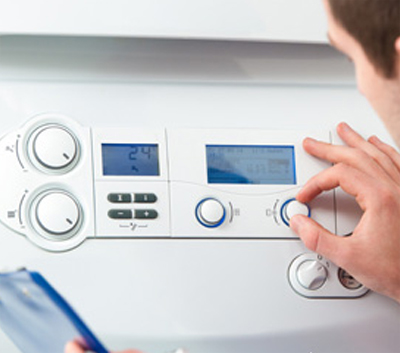
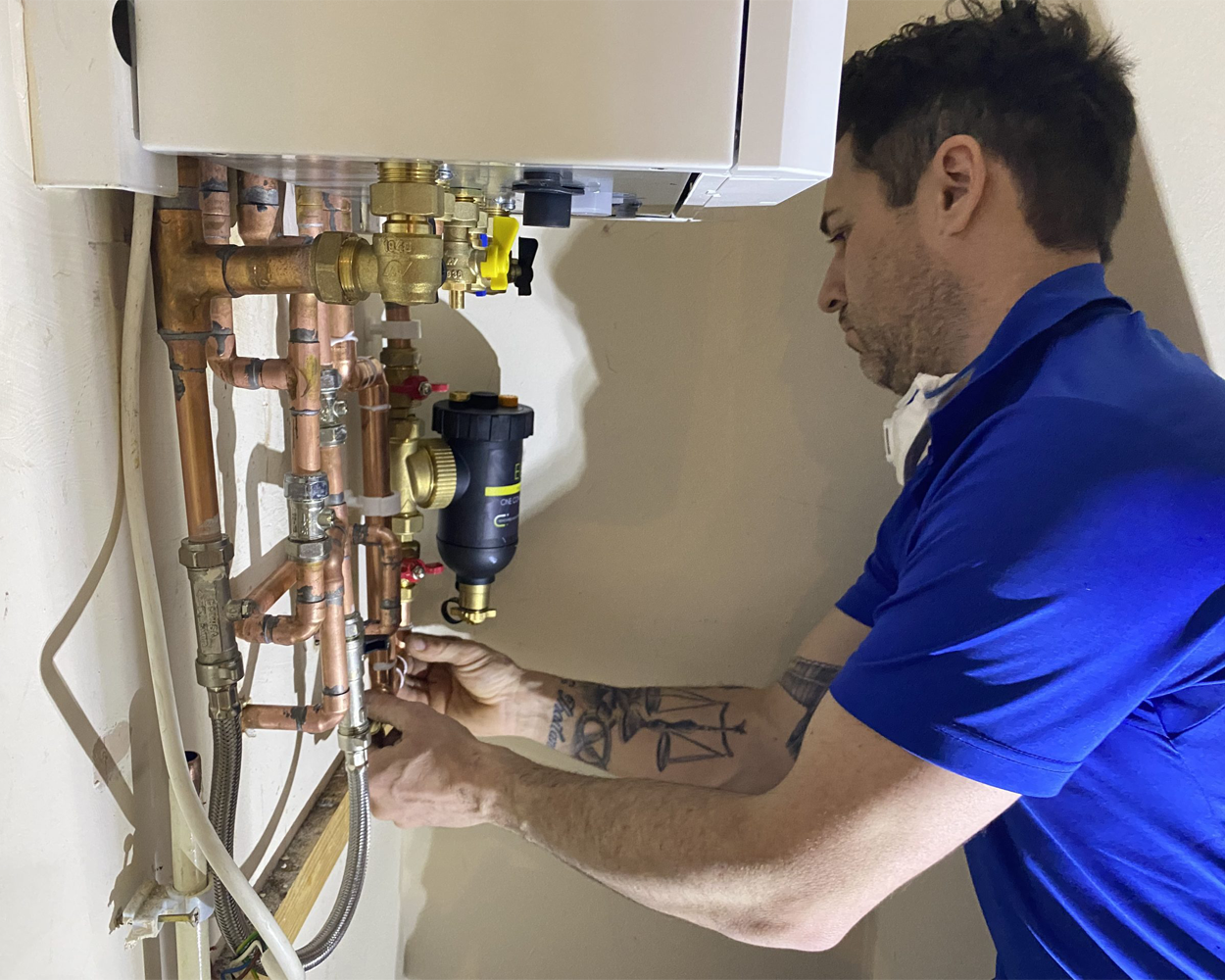
Frequent Repairs That Add Up
As boilers age, components begin to wear out. You might start noticing more frequent issues—strange noises, inconsistent heating, or recurring faults.
Each repair may seem manageable on its own, but the costs quickly stack up:
- Replacement parts
- Labour charges
- Emergency callouts
At some point, you may find yourself repeatedly paying for fixes on a system that’s already nearing the end of its lifespan.
If you’re constantly booking repairs, it may be more cost-effective to explore a full replacement instead of continuing with short-term fixes.
Risk of Sudden Breakdown
One of the biggest hidden costs isn’t financial—it’s disruption.
Old boilers are far more likely to fail without warning, often during the coldest months when you need heating the most. A sudden failure can leave you without heating or hot water for days, while also forcing you into a rushed decision. Emergency replacements can limit your options and sometimes lead to higher costs due to urgency.
Planning ahead gives you more control, better pricing, and peace of mind.
Reduced Home Comfort
An ageing boiler doesn’t just cost more to run—it also struggles to deliver consistent performance.
You may notice:
- Uneven heating across rooms
- Longer wait times for hot water
- Difficulty maintaining a stable temperature
These issues can impact your day-to-day comfort, especially during colder months. A newer system provides more reliable heating and better overall performance.
Impact on Property Value
If you’re planning to sell your home in the future, an outdated boiler can be a drawback for potential buyers.
Modern buyers are more aware of energy efficiency and running costs. An old or unreliable heating system may raise concerns, reduce interest, or even affect your property’s value.
On the other hand, a newly installed boiler can be a strong selling point and add confidence for potential buyers.
When Is It Time to Replace?
If your boiler is:
- Over 10–15 years old
- Requiring frequent repairs
- Causing rising energy bills
…it’s worth considering your options.
Stop Wasting Money on an Old Boiler
Keeping an old boiler might feel like the cheaper option—but in many cases, it ends up costing far more in the long run.
From higher energy bills to repeated repairs and unexpected breakdowns, the hidden costs can quickly outweigh the price of a new system. If you’re starting to notice the signs, now is the time to act.
Get in touch today for a free, no-obligation quote and find out how much you could save with a modern, efficient system.